


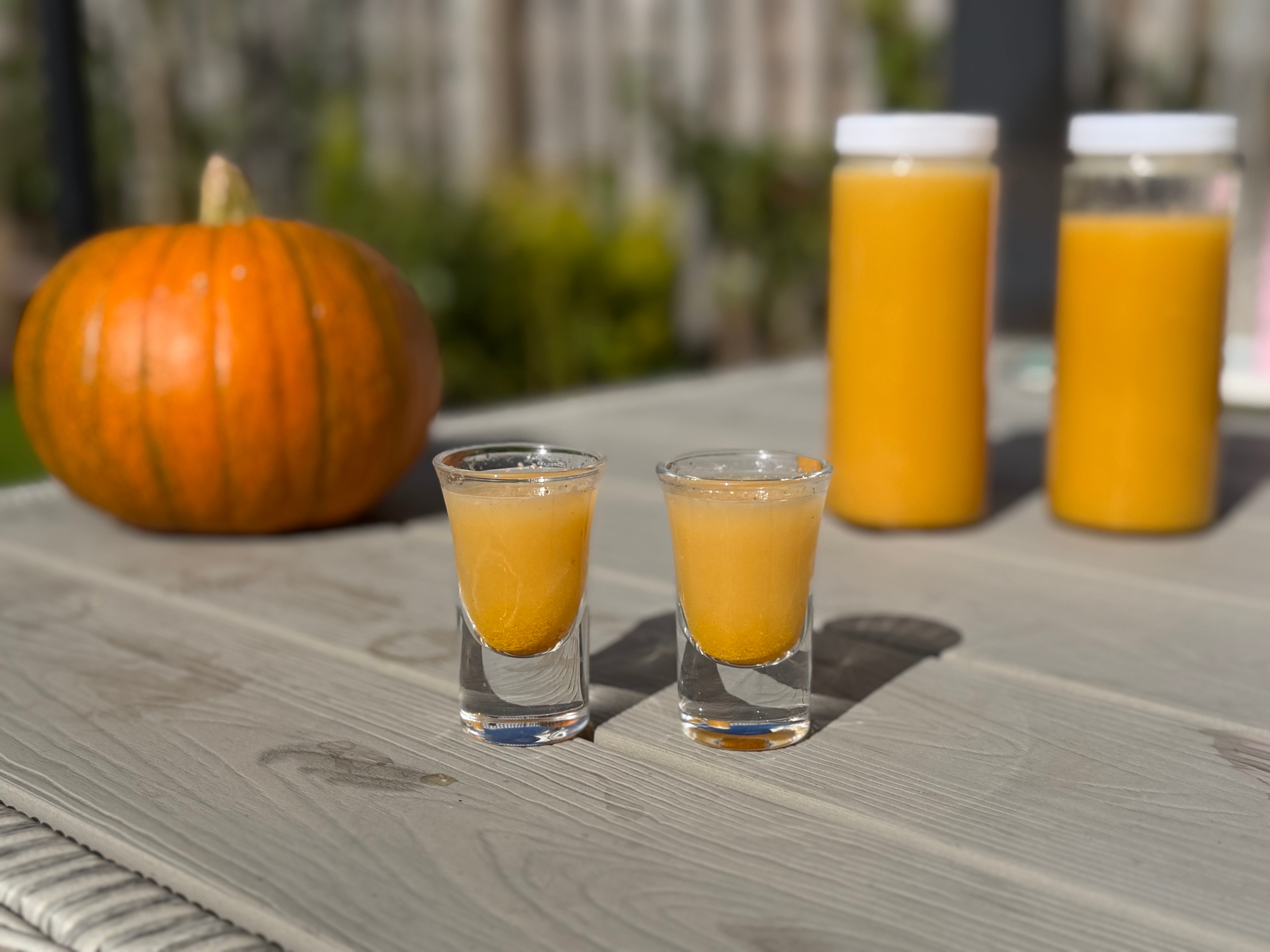
Over the last few years, I’ve been experiencing the curse of October. I stay healthy most of the year, yet the moment October hits, I catch a cold or flu.
This year I decided to try a few popular strategies for preventing seasonal illness. I must admit I hadn’t done extensive research but instead tried common strategies. One of these was a daily morning ginger shot.
It was fun! But was it worth it? Read on to find out.
No AI was used to write this article.
Drinking shots at 8am
It’s 8am. Instead of the morning coffee, I am standing in my kitchen holding a shot glass in my hand.
Hopefully no neighbours are watching. That won’t do much to challenge the stereotypes about Polish people in the UK. I also skip shouting “na zdrowie” (“to health”) even though it would actually fit the scenario quite well.
The shot is low-key burning my mouth and throat, and my stomach starts feeling warm.
Let’s go! What a productive start to the day, right?
Short-term pain, long-term gain?
Doing something extreme can feel quite good. But it also made me reflect. What if this is a pointless activity that makes no difference to my health?
I enjoyed making these shots, drinking them, and telling my friends about them. So even if they didn’t work, I still got something positive out of it. But I can see how continuing to make them in future could quickly turn into a chore or another task on my to-do list.
Something that increased my sense of control could start taking that control away if it interfered with other important goals in my life. Time spent making the shots (and trying other health strategies) could be used elsewhere, right?
There is also something intriguing about humans intentionally engaging in painful activities. Short-term pain for long-term gain, right?
The burning sensation of ginger shots, the pain of cold plunges, and the hunger of extended fasting. They all share the same underlying promise. It will be worth it in the long term.
Is that true though?
What does the discomfort mean?
Our bodily sensations and emotions are part of the feedback loop that helps us keep our lives on track. The idea is simple. If you feel an unpleasant sensation, it can prompt you to do something about it.
Moving away from the painful object.
Putting a jumper on if you’re too cold
Getting some food if you’re hungry.
These signals are useful, although they don’t always tell us enough about whether something is harmful, especially in the long term.
And here comes the conundrum.
What happens when we reinterpret these signals through a new belief?
We might tell ourselves:
“Hunger means your body is healing and you’re one step closer to your dream physique.”
“Being cold means your body is becoming stronger and more resilient.”
“The ginger shot is burning in your stomach because it’s killing all the bad bacteria.”
All of these sound quite attractive.
A sensation we might otherwise interpret as something “bad” becomes a sign that something “good” is happening. But the sensation itself doesn’t prove any of these claims.
Ginger’s burning sensation, for example, comes from activation of receptors involved in sensing heat and pain. It isn’t evidence that bacteria are being killed.
Could it do more harm than good?
Another possibility is that some health strategies could cause harm. The unpleasant short-term feelings might exist so that we stop what we’re doing.
It’s true that ginger can cause discomfort in some people. It’s also true that for most people ginger is not harmful in normal amounts. And for some people it may carry health risks.
I recall a lad at my local contrast therapy centre who challenged himself to 10 minutes in a cold plunge at 2°C, despite our warnings. Afterwards, he couldn’t feel his body and appeared to be panicking. It was worrying to watch.
I observe a related pattern in my mental health practice with some clients experiencing eating disorders with restrictive eating. Hunger can become rewarding in some way. A sensation that otherwise may prompt someone to eat becomes a sign of personal achievement or success. This sense of achievement can be conflicting, particularly when the person’s physical and mental health deteriorate.
Pain, sensations, emotions, discomfort - they all exist for a reason.
When your body tells you something is “bad”, how are you meant to know whether to trust this signal or endure it?
Did the ginger shots work for me?
I was lucky enough to experience this activity as an interesting and pleasant experiment. I mixed the ginger with lemon and honey and diluted it with water, and I haven’t experienced any serious gastrointestinal discomfort.
Despite all the fun, I had a cold last week.
Two weeks of ginger shots did not save me from the October curse. But I was ill for only 2-3 days. There is no way to compare this with an alternative reality in which I hadn’t taken the shots or tried other health strategies.
Ginger may have benefits for some problems for some people, but this experiment doesn’t tell us much about whether homemade ginger shots prevent colds or make them easier to manage. It does, however, create a lot of questions and reflections.
At what point does trying to stay healthy become unhealthy?
And even if you remain healthy, at what point do other life goals become more important?
How much of trying to stay healthy is too much?
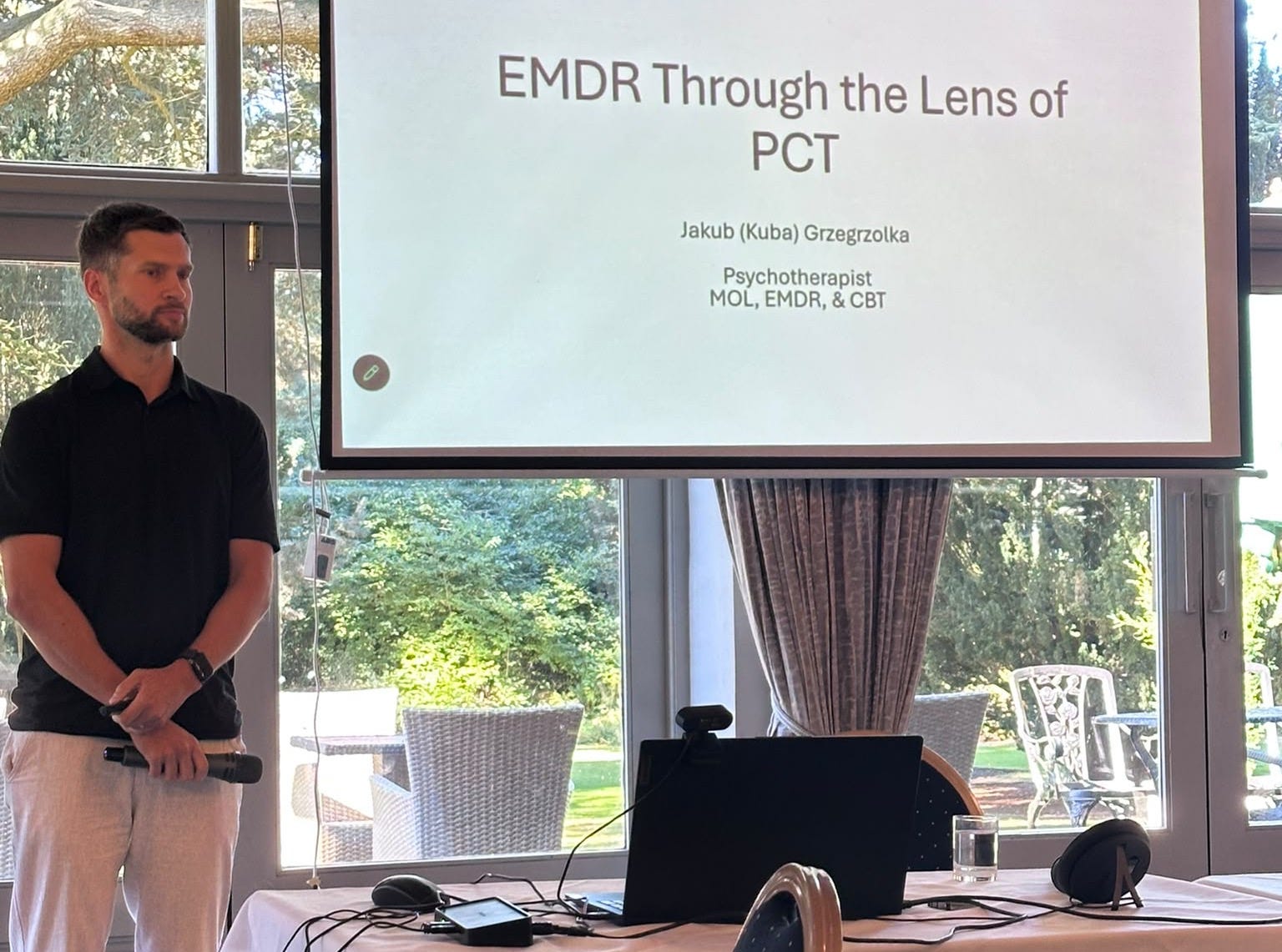
I caught the cold at a scientific conference in York (IAPCT 2026). Scientists from all over the world, passionate about Perceptual Control Theory, spent four days sharing their work, networking, and having stimulating conversations.
If you asked me to go back in time and prevent the cold by skipping the conference, I wouldn’t do it. The experience, knowledge, friendships, and mental stimulation mattered much more to me than avoiding a few days of disruption to my usual routine. By the last day of the conference, everyone was sniffling, yet the conversations continued. Perhaps other attendees had similar priorities.
It’s worth questioning the effort and cost involved in trying to prevent health problems. These strategies can feel very productive and satisfying.
For me, preventing a cold is not as important as many other goals in life. That might be different for someone who is clinically vulnerable with risks of health complications.
I think a healthy lifestyle should leave room for other things that matter to us.
Spending hours every day researching and trying health strategies could cause stress. You may also be using a lot of time and resources. The stress and sacrifice could at some point become more unhealthy than simply doing less and not being such a keeno!
This won’t stop me from experimenting.
Making another batch of ginger shots sounds less exciting now. But who knows, I may end up doing the same thing again next year.
Thank you for spending a few minutes here.
Here’s a picture of me presenting at the conference, still under the impression that the ginger shots had me covered.
Keep reading:


